
4 Ways Auto Repair Shops Keep Your Vehicle Running Smoothly
Modern passenger vehicles require consistent care to function at peak mechanical capacity. Automobiles contain intricate systems and countless interconnected parts. Without proper oversight, these machines degrade over time, leading to severe mechanical failures and expensive part replacements. Commuters depend on passenger cars for daily transportation, making reliability paramount. Regular servicing ensures every component operates according to manufacturer specifications, mitigating the risk of sudden breakdowns. Vehicle longevity hinges on professional attention and mechanical expertise.
Finding dependable automotive care remains crucial for vehicle owners seeking long-term performance. Dedicated auto repair shops provide essential services that extend the lifespan of passenger cars and trucks. These establishments employ knowledgeable personnel who understand diverse makes and models. Motorists benefit from systematic inspections, targeted repairs, and ongoing maintenance schedules. The following sections detail the fundamental methods these facilities utilize to preserve automotive health and sustain modern transportation networks.
1. Administering Preventive Maintenance Procedures
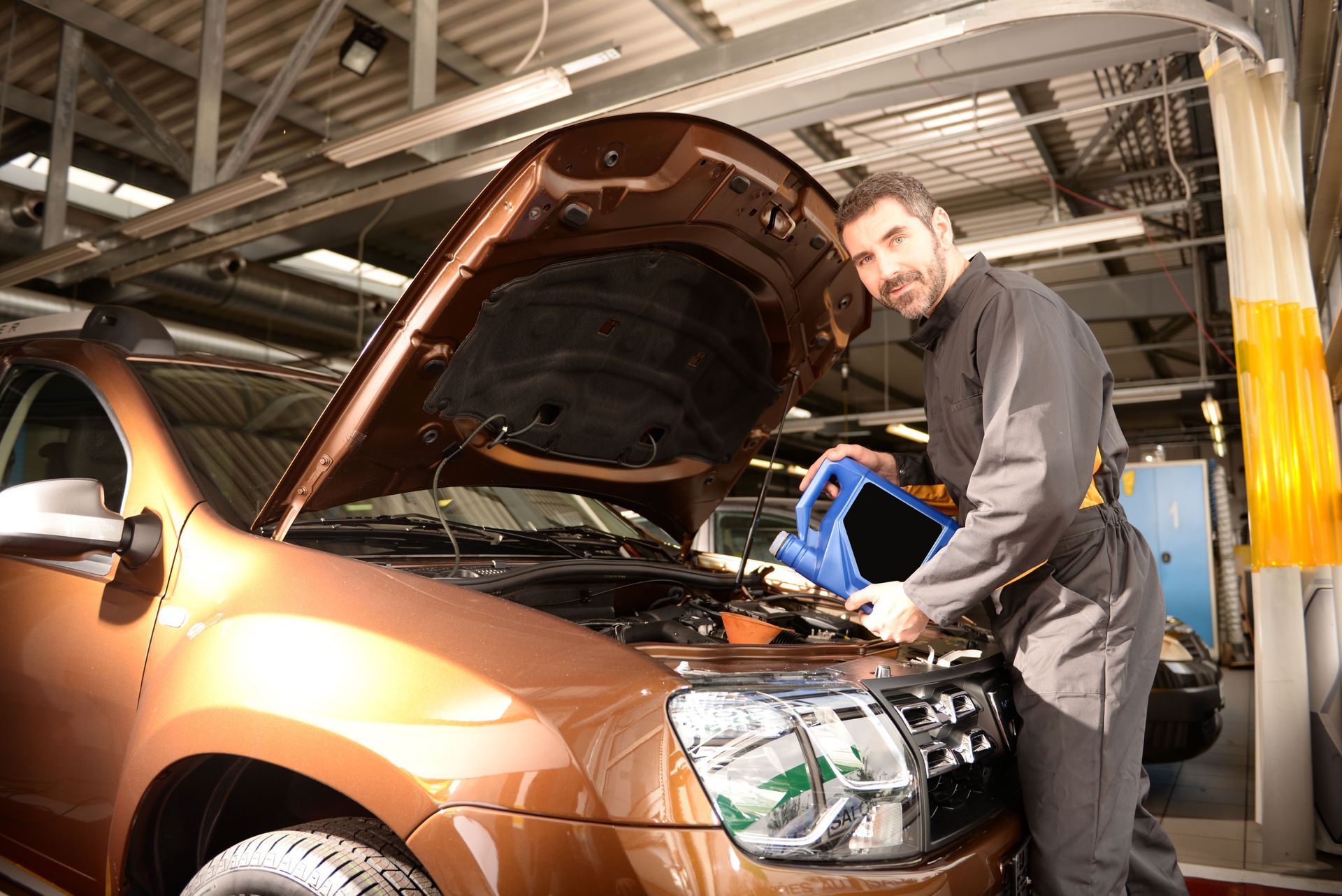
Preventive maintenance acts as the primary defense against catastrophic automotive failure. Technicians follow strict schedules to evaluate fluid levels, inspect belts, and assess brake wear. Oil changes represent a cornerstone of this proactive process, removing harmful contaminants that cause engine friction. Fresh lubricants protect moving parts, mitigating wear and extending motor lifespan while preventing overheating during demanding driving conditions.
Tire rotations and wheel alignments demonstrate the immense value of proactive servicing. Technicians reposition tires to ensure uniform tread wear, maximizing road traction and improving fuel economy. Proper suspension alignment keeps the vehicle tracking straight, preventing uneven stress on delicate steering components. By addressing these factors in advance, mechanics spare drivers from premature tire replacements and reveal minor surface imperfections.
Air and fluid filter replacements make a substantial contribution to overall vehicle health. Engine air filters block destructive debris from entering the combustion chamber, ensuring the motor breathes clean air. Cabin air filters protect vehicle occupants by trapping airborne dust and maintaining excellent interior air quality. Mechanics swap these disposable items at specified intervals to reduce mechanical strain on the engine block.
Professional auto repair shops document every service performed, establishing a comprehensive maintenance history. This permanent record helps mechanics anticipate future needs and track the lifecycle of specific wear components. Subsequent diagnostic evaluations become more efficient when technicians can reference past procedures. A verified service log also enhances the eventual resale value of the automobile by proving consistent professional care.
2. Executing Complex Diagnostic Assessments
Modern passenger vehicles function as rolling computer networks, requiring sophisticated digital tools to identify underlying problems. When dashboard warning lights illuminate, technicians connect scanning equipment to the onboard diagnostic port. These scanners communicate with central processing units, retrieving trouble codes that indicate component malfunctions. This data provides a crucial starting point, directing the mechanic toward the root cause.
According to the U.S. Bureau of Labor Statistics, there are over 794,000 auto service technicians employed in the United States. This vast workforce relies on continuous training to understand complex electronic systems. Mechanics analyze live data streams from various sensors, measuring oxygen levels and fuel pressure. By comparing real-time information against expected parameters, professionals can pinpoint faulty sensors or failing control modules.
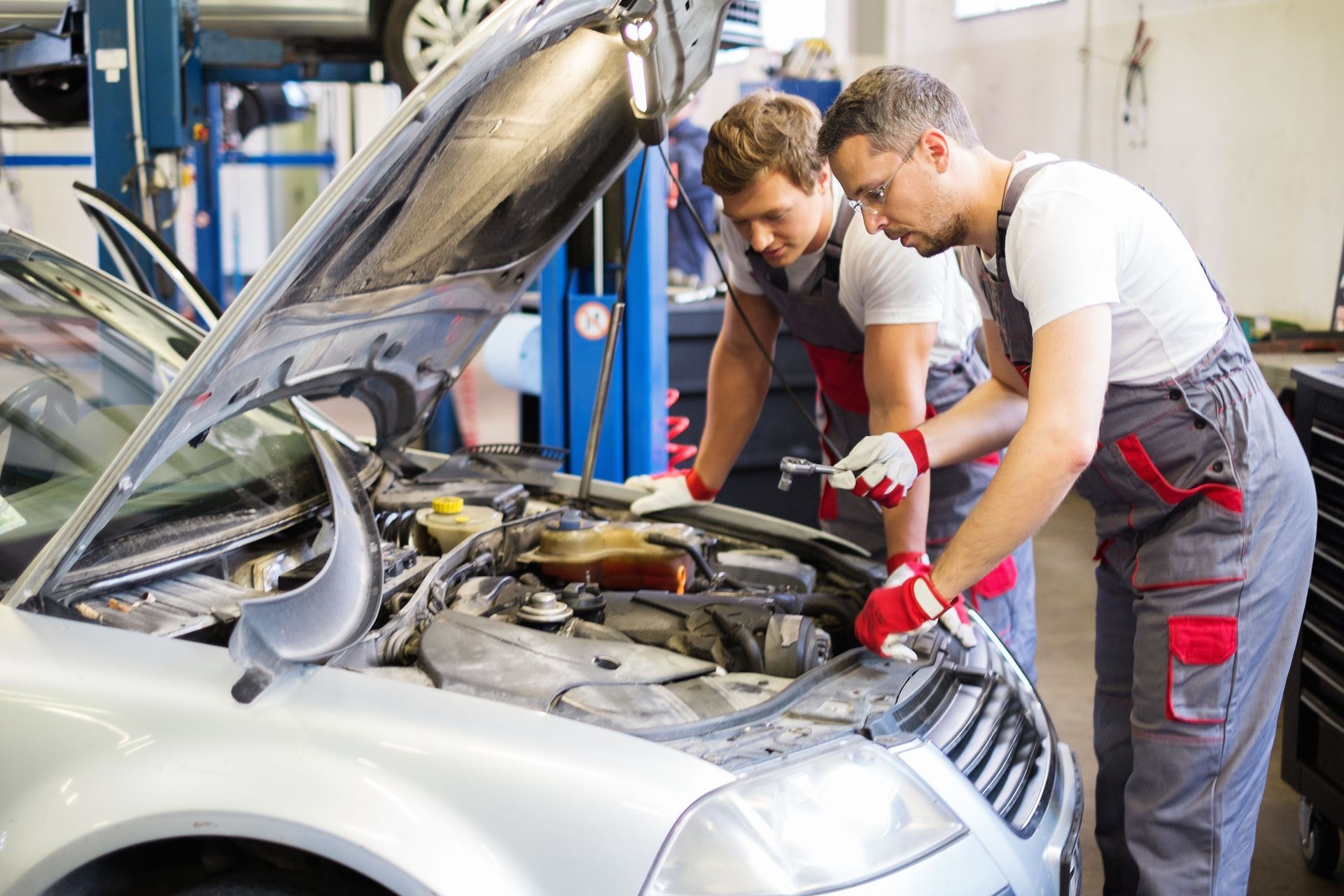
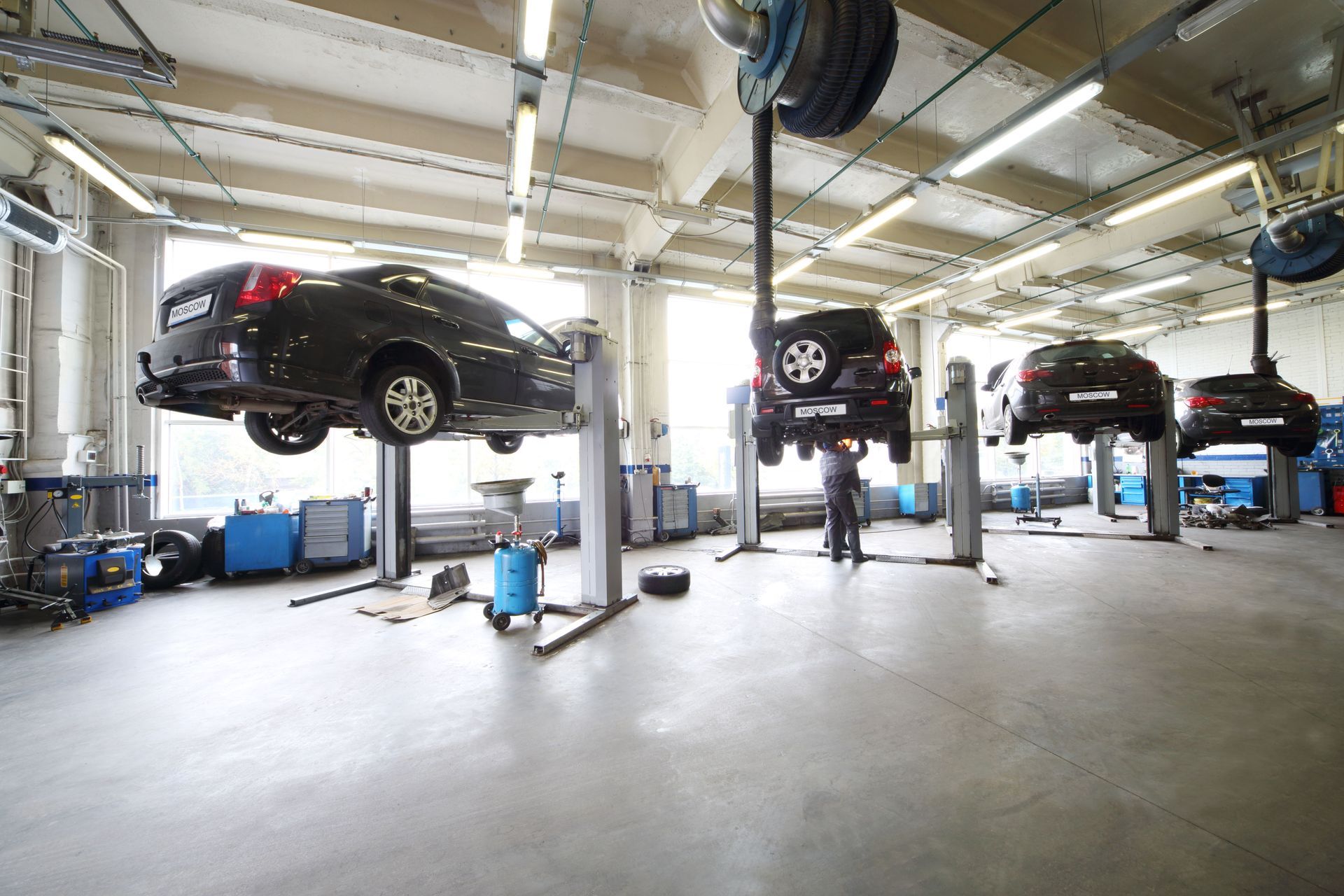
Physical inspections remain an integral component of the comprehensive diagnostic phase. Technicians elevate the vehicle on hydraulic lifts to examine the undercarriage for fluid leaks or structural damage. They listen for abnormal noises during engine operation, utilizing stethoscopes to isolate grinding or knocking sounds. This multi-sensory approach provides a complete picture of the automobile's condition before wrenches turn.
Clear communication bridges the gap between complex diagnostic results and consumer understanding. Reputable auto repair shops translate technical jargon into accessible language, explaining the necessity of each proposed mechanical fix. Service advisors present detailed estimates outlining parts, labor, and anticipated repair timelines. Transparency during this stage fosters a positive, cooperative relationship between the repair facility and the customer.
3. Managing Essential Component Replacements
Automotive parts experience continuous friction and environmental degradation, necessitating eventual replacement. Brake systems endure extreme stress whenever drivers decelerate, causing friction materials to wear thin. Mechanics replace worn pads and resurface damaged rotors to restore maximum stopping power. Neglecting these crucial components leads to compromised braking distances. Professional installations guarantee that the new hardware functions as intended by the manufacturer.
Suspension and steering mechanisms require periodic replacement to maintain vehicle stability and ride comfort. Shock absorbers lose their dampening capabilities over time, resulting in a harsh ride and unpredictable handling. Technicians swap out exhausted parts, restoring original factory ride quality and preventing excessive body roll. Fresh suspension components also protect the chassis frame from impacts caused by potholes and uneven road surfaces.
Internal engine components represent critical replacements handled by skilled automotive professionals. Timing belts, water pumps, and spark plugs follow strict replacement intervals dictated by the vehicle manufacturer. A snapped timing belt causes catastrophic internal damage, requiring a complete motor rebuild. Proactive mechanics swap these vital belts before failure, saving owners from avoidable repair bills and unexpected transportation disruptions.
Sourcing high-quality parts remains a priority for experienced auto repair shops committed to long-lasting repair results. These facilities cultivate strong relationships with established suppliers to secure durable replacement components. Whether utilizing original equipment manufacturer parts or premium aftermarket alternatives, mechanics ensure every piece meets rigorous quality standards. Proper fitment guarantees the passenger vehicle returns to the road intact.
4. Implementing Post-Repair Quality Inspections
The final phase of any mechanical service involves rigorous practical testing to verify the success of the repairs. Technicians refuse to return a vehicle until they confirm all identified issues have been resolved. This process begins with a visual inspection of the work area, ensuring fasteners are secure, fluid levels are correct, and no hand tools remain.
Road testing provides the ultimate confirmation of mechanical integrity and vehicle safety. Mechanics take the repaired automobile on a designated route to assess performance under real-world driving conditions. They monitor acceleration, braking responsiveness, and steering feedback. This practical evaluation allows technicians to ensure the recent repairs translate to predictable and safe operation on public roadways.
Following the designated road test, the vehicle undergoes a final digital scan to ensure no new trouble codes appear. Technicians connect diagnostic equipment to verify that the central computer recognizes the new mechanical components. This electronic verification acts as a fail-safe, catching invisible system anomalies that might not manifest during a short test drive.
The commitment to strict quality control sets top-tier auto repair shops apart from subpar operations. By instituting standard post-repair protocols, these businesses guarantee a high level of customer satisfaction and overall vehicle reliability. Motorists drive away knowing their car has been vetted by experienced professionals. This meticulous approach ensures the automobile remains a dependable mode of transportation for years.
Maintaining a modern automobile requires ongoing vigilance, professional expertise, and a steadfast commitment to proactive servicing. The techniques employed by specialized automotive facilities play a pivotal role in extending the operational life of passenger vehicles. From fundamental preventative maintenance to intricate digital diagnostics, every procedure contributes to overall mechanical stability. Addressing wear and tear before escalation prevents dangerous malfunctions and shields vehicle owners from exorbitant financial burdens. The collective efforts of dedicated technicians ensure transportation machines remain functional for extended periods.
The longevity of any car or truck depends on consistent care from knowledgeable auto repair shops. By embracing preventative schedules, executing precise part replacements, and conducting rigorous final inspections, mechanics uphold the highest standards of automotive excellence. Vehicle owners who prioritize these essential services experience fewer breakdowns, superior handling, and enhanced driving comfort. A well-maintained vehicle represents a reliable asset, capable of navigating daily commutes and extensive cross-country travels. The dedication of skilled experts keeps passenger vehicles running at their absolute best. When you are evaluating different auto repair shops to maintain your vehicle, we invite you to experience the dedicated care at Zentner's Auto Service. Contact us today to schedule your next maintenance appointment.
Share On: