
Preventing Car Emergencies: Tips from Top Appleton Auto Repair Experts
Highlights:
- Understand common car emergencies and how to prevent them.
- Learn essential maintenance tips from Appleton auto experts.
- Discover how technology helps prevent breakdowns.
- Tips for choosing a reliable emergency car repair shop in Appleton, WI.
- FAQs and fun facts about auto maintenance and safety.
Finding yourself stranded on the side of the road is never convenient. Whether it’s a flat tire, dead battery, or engine failure, car emergencies can disrupt your day and quickly become expensive. The good news is that many of these situations are preventable with regular maintenance, attention to warning signs, and trusted expertise. As an emergency car repair shop in Appleton, WI with good reviews, Zentner's Auto Service has compiled expert tips to help drivers stay proactive about vehicle care.
By understanding common emergencies, embracing technology, and partnering with reliable auto repair professionals, you can minimize the chances of unexpected breakdowns. In this guide, we’ll cover practical tips, preventive strategies, and essential maintenance knowledge to keep your car running smoothly all year long.
Understanding Common Car Emergencies
Emergencies can happen to anyone, at any time. Knowing the most frequent issues can help you anticipate problems and take action before they become serious.
According to the U.S. Bureau of Labor Statistics, automotive service technicians perform inspections, maintenance, and repairs that prevent many emergencies, from engine issues to brake failures.
Some of the most common car emergencies include:
- Flat Tires: Often caused by worn tires, debris, or underinflation. Keeping tires properly inflated and inspecting for damage can prevent blowouts.
- Dead Batteries: Batteries naturally degrade over time, usually lasting 3-5 years. Testing your battery regularly can help avoid being stranded.
- Overheating Engines: Engine overheating can lead to expensive repairs. Monitoring coolant levels and inspecting hoses is critical.
- Brake Failures: Worn brake pads or damaged rotors can reduce stopping power. Routine inspections help maintain safety.
According to
IBISWorld, the auto repair industry has increasingly emphasized diagnostics to prevent emergencies, reflecting the growing importance of proactive maintenance.
FAQ: Common Car Maintenance Questions
How often should I get a vehicle inspection?
Most mechanics recommend at least once a year or every 12,000 miles to identify potential issues early.
Can regular oil changes prevent major engine problems?
Absolutely. Fresh oil reduces friction, prevents overheating, and keeps engine components in top condition.
What’s the most overlooked maintenance task?
Many drivers neglect checking tire pressure and tread depth. Underinflated tires are a common cause of breakdowns.
The Role of Regular Maintenance
Routine maintenance is the cornerstone of preventing car emergencies. While some drivers wait until something goes wrong, proactive upkeep can save time, money, and stress. Key tasks include:
- Oil Changes: Vital for engine lubrication and performance. Skipping oil changes can cause overheating and engine damage.
- Fluid Checks: Transmission, brake, coolant, and power steering fluids must be at proper levels. Low fluids often cause sudden breakdowns.
- Filter Replacements: Clean air and cabin filters improve engine performance and interior air quality.
- Belt and Hose Inspections: Timing belts, serpentine belts, and radiator hoses degrade over time. Replacing them early prevents roadside failures.
Regular maintenance also extends your vehicle’s lifespan and preserves its resale value. Consumer data shows that proactive maintenance reduces the likelihood of emergency repairs by up to 40% (according to Consumer Reports).
Did You Know?
- Modern cars contain over 30 sensors designed to detect problems before they become emergencies.
- The average American vehicle travels roughly 13,500 miles per year, emphasizing the need for regular upkeep.
Choosing the Right Emergency Car Repair Shop
When an unexpected issue arises, the quality of your emergency car repair shop in Appleton, WI with good reviews can make all the difference. A reliable shop ensures timely, professional service and peace of mind.
Here’s what to look for:
- ASE-Certified Technicians: Certified mechanics guarantee knowledge and skill.
- Transparent Pricing: Always request written estimates to avoid surprises.
- Positive Reviews and Reputation: Check online reviews and community recommendations.
- Emergency Services: 24/7 availability and towing services are crucial during urgent situations.
At Zentner's Auto Service in Appleton, WI, we combine years of experience with advanced diagnostics and a customer-first approach. From minor repairs to emergency situations, our team is ready to provide expert service.
Preventing Engine and Electrical Problems
Modern vehicles rely heavily on electronics and computer systems. Ignoring signs of engine or electrical issues can lead to breakdowns. Common problems include:
- Battery Drain: Ensure lights and electronics are turned off when parked to avoid a dead battery.
- Alternator Problems: Listen for unusual noises, check voltage, and replace worn alternators promptly.
- Check Engine Light: Never ignore it. Diagnostic tools can identify issues early and prevent costly repairs.
Regular inspections by a trusted emergency car repair shop in Appleton, WI with good reviews can prevent minor problems from escalating.
Tire and Brake Safety
Safety begins with your tires and brakes. Preventive maintenance can prevent accidents and improve vehicle performance.
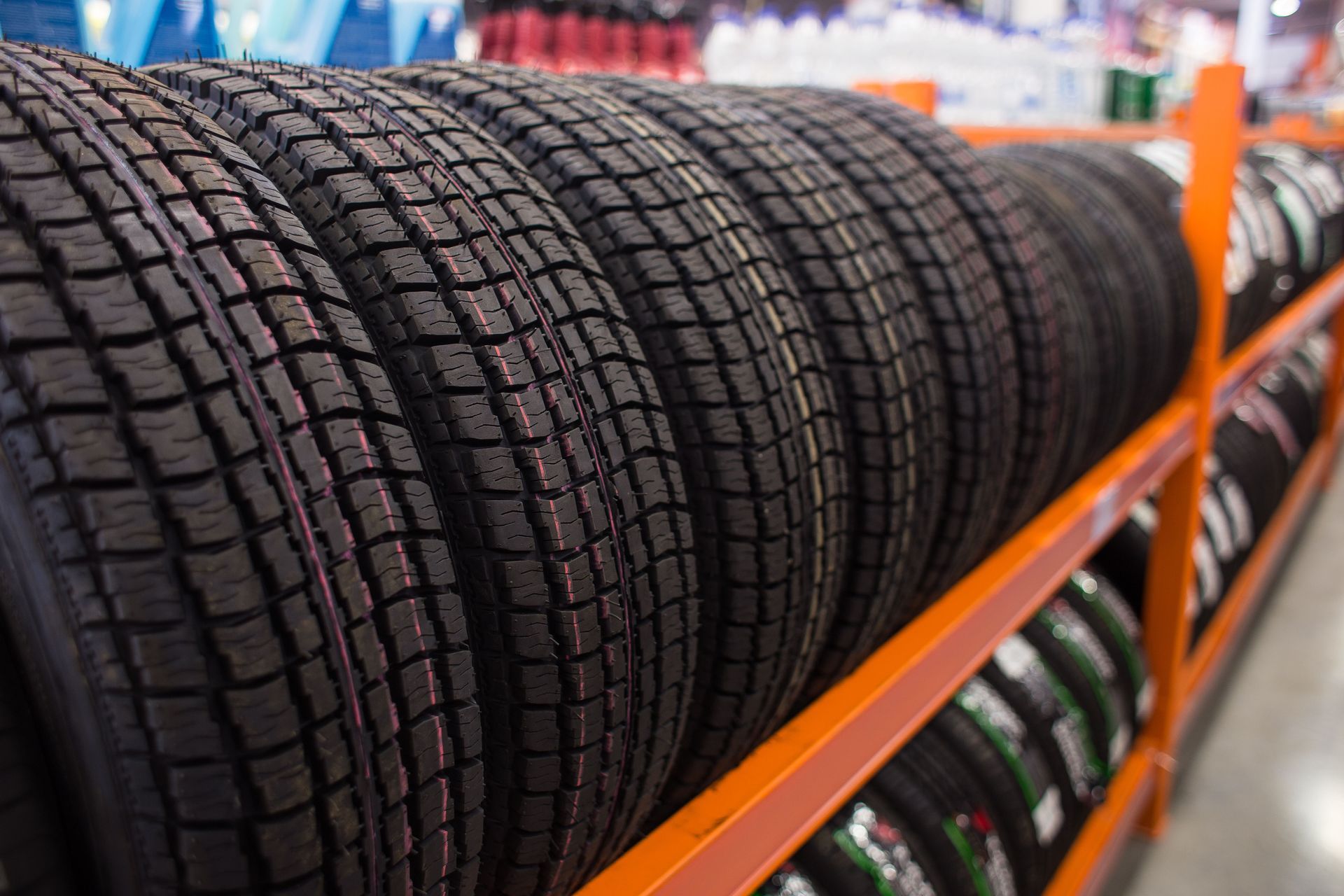
- Tire Rotation: Rotate tires every 5,000–7,500 miles to ensure even wear.
- Tread Checks: Replace tires before the tread drops below 2/32 inch.
- Brake Inspections: Listen for squealing or grinding and feel for vibrations when braking.
Routine maintenance and inspections reduce accident risks significantly.
FAQ: Tire and Brake Concerns
How can I tell if my brakes need attention?
Squealing, grinding sounds, and vibration while braking indicate worn components.
How often should tires be replaced?
Tires typically last six years, but tread depth and condition should be checked regularly.
Can I drive safely on a flat tire?
No. Driving on a flat tire is extremely dangerous and can damage your wheel.
Winter and Seasonal Preparations
Car emergencies are more common during extreme weather. Seasonal preparation is essential for safe driving:
- Winter: Ensure antifreeze is topped off, the battery is strong, tires are winter-ready, and wipers are functional.
- Summer: Inspect the cooling system, check AC performance, and ensure fluids are at proper levels.
- Rainy Season: Replace worn wipers, inspect brakes, and check tire traction.
Seasonal maintenance services have become a larger focus in the auto repair industry due to increased customer demand.
Technology and Modern Vehicle Care
Advances in automotive technology make preventive maintenance easier and more precise.
- Diagnostic Scans: Modern scanners identify issues before they cause breakdowns.
- Smart Maintenance Alerts: Many vehicles now notify drivers when service is needed.
- ADAS Systems: Advanced driver assistance systems, like lane-keeping and automatic braking, prevent accidents and reduce emergency situations.
Using technology proactively ensures your vehicle remains reliable and prevents costly emergencies.
Fuel and Fluid Efficiency
Preventing car emergencies also involves proper fuel and fluid management.
- Fuel Quality: Use recommended fuel grades and avoid low-quality sources.
- Oil Type: Follow manufacturer recommendations to avoid engine wear.
- Coolant and Brake Fluids: Regular checks prevent overheating and brake failure.
Neglecting fluids is one of the leading causes of preventable car emergencies nationwide.
Creating a Maintenance Schedule
One of the best ways to prevent emergencies is to maintain a detailed schedule. Include:
- Monthly Checks: Tire pressure, fluid levels, lights, battery.
- Quarterly Checks: Brakes, belts, filters, wipers.
- Annual Inspections: Engine, transmission, exhaust system, full diagnostics.
This approach ensures that nothing is overlooked and allows your emergency car repair shop in Appleton, WI with good reviews to intervene before problems escalate.
Final Thoughts
Preventing car emergencies is a combination of awareness, proactive maintenance, and reliable support. By following these expert tips and partnering with a trusted emergency car repair shop in Appleton, WI with good reviews, drivers can avoid unexpected breakdowns and costly repairs.
At Zentner's Auto Service in Appleton, WI, we are dedicated to helping drivers maintain their vehicles, providing comprehensive care, and responding quickly to any emergency. With proper preparation, regular maintenance, and trusted expertise, every driver can enjoy safer, stress-free journeys.
Share On: